
Roof Replacement With Solar vs Traditional Roofing: What Influences Your Choice
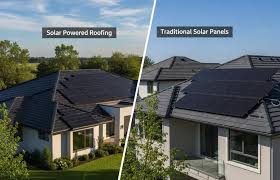
With climate change and energy costs becoming increasingly urgent issues, many homeowners are re-evaluating their roofing options. A significant number of them are considering solar roofing as a viable alternative to traditional roofing solutions. This trend reflects a broader movement toward sustainability and cost efficiency.
In this article, we’ll explore the differences between solar and traditional roofing, considering factors such as cost, durability, and energy efficiency. Understanding these elements will aid you in making an informed decision.
Roof Replacement With Solar Panels vs Traditional Roofing Options
The primary difference between solar panels and traditional roofing lies in their functionality. Solar roofs generate electricity, providing homeowners with an additional energy source. This feature can dramatically reduce utility bills over time. roof replacement with solar is becoming a popular choice among many homeowners.
Traditional roofing options, such as asphalt or metal, primarily offer protection from weather elements. While they may have a lower initial cost than solar options, they do not provide energy savings. For example, a study by the National Renewable Energy Laboratory found that a solar roof can save a homeowner about $20,000 over a 20-year lifespan.
When choosing between these options, consider the geographical area, roof size, and local energy policies. Homeowners in sunnier regions may benefit more from solar installation. Evaluating the long-term financial implications can also guide this decision.
Factors Impacting Your Choice Between Solar and Conventional Roofs
Several factors could sway your decision between solar and conventional roofs. For many, the initial investment, potential tax credits, and local regulations play substantial roles. Solar installations typically have higher upfront costs, though incentives may offset this.
Additionally, the resale value of a home might increase with the addition of solar panels. The U.S. Department of Energy highlights that homes with solar panels sell about 20% faster, providing a valuable insight into real estate dynamics.
It’s crucial to assess the solar potential of your location and house orientation. Consulting with a professional to review these factors can help predict future savings and determine whether solar is a viable option.
Cost Considerations: Solar Roofs Compared to Traditional Roofing
When it comes to cost considerations, solar roofs usually require a larger initial expenditure than traditional options. Solar roofing systems can cost between $15,000 and $25,000, excluding potential savings from tax incentives. In contrast, traditional asphalt roofing averages about $5,500 to $12,000.
However, solar roofs typically offer a return on investment through reduced energy bills. Prospective buyers should consider the break-even time for their investment. For instance, a homeowner might recoup costs within seven to ten years, depending on energy prices and panel efficiency.
Understanding the long-term cost implications is vital for potential buyers. A detailed calculation of projected savings and expenses can offer clarity, aiding in a more informed decision-making process.
Environmental and Energy Efficiency: Solar Roofing Benefits
Solar roofing offers significant environmental advantages as well as energy efficiency. Solar panels generate clean, renewable energy, reducing reliance on fossil fuels. This shift contributes to lower greenhouse gas emissions, supporting global sustainability goals.
Additionally, solar roofs can decrease household energy consumption by up to 50%, according to a report by the Environmental Protection Agency. This energy efficiency not only saves money but also promotes a greener lifestyle.
Getting solar panels installed aligns with environmentally friendly choices and practices. Consider your environmental impact and personal values when deciding, as choosing solar can significantly benefit both the planet and your wallet.
Overall, choosing between solar and traditional roofing involves evaluating various factors, including cost, environmental impact, and location-specific benefits. By weighing these considerations, homeowners can make a decision that aligns with their financial and ecological goals.