
What Makes a Pool Cleaner Vacuum Truly Smart?

If you’ve ever spent a weekend afternoon skimming leaves, scrubbing walls, and wrestling with tangled hoses, you already know the frustration of manual pool cleaning. It’s time-consuming, physically demanding, and never quite delivers the sparkling results you’re after. Enter the smart pool cleaner vacuum—a device that promises to handle the dirty work while you relax poolside. But what exactly makes one of these machines “smart” rather than simply automated? As pool cleaning technology advances at a rapid pace, the line between basic robotic cleaners and truly intelligent systems continues to sharpen. Today’s most capable devices combine sophisticated automation, user-friendly design, app integration, and scheduled cleaning capabilities to deliver a genuinely hands-off experience. In this article, we’ll explore what separates a smart pool cleaner vacuum from its conventional counterparts, examining the features that matter most, the benefits they deliver, and how to choose the right one for your home.
The Evolution of Pool Cleaning Technology: From Manual to Smart
Pool maintenance has come a long way from the days of hand-held nets and manual vacuum heads attached to garden hoses. In the 1970s and 1980s, suction-side cleaners emerged as the first step toward automation, using the pool’s existing pump to move randomly across the floor. Pressure-side cleaners followed, offering slightly better debris collection but still relying on somewhat haphazard navigation patterns. These early automatic pool cleaners freed homeowners from the most tedious aspects of maintenance, yet they lacked any real intelligence—they bounced off walls and hoped for the best.
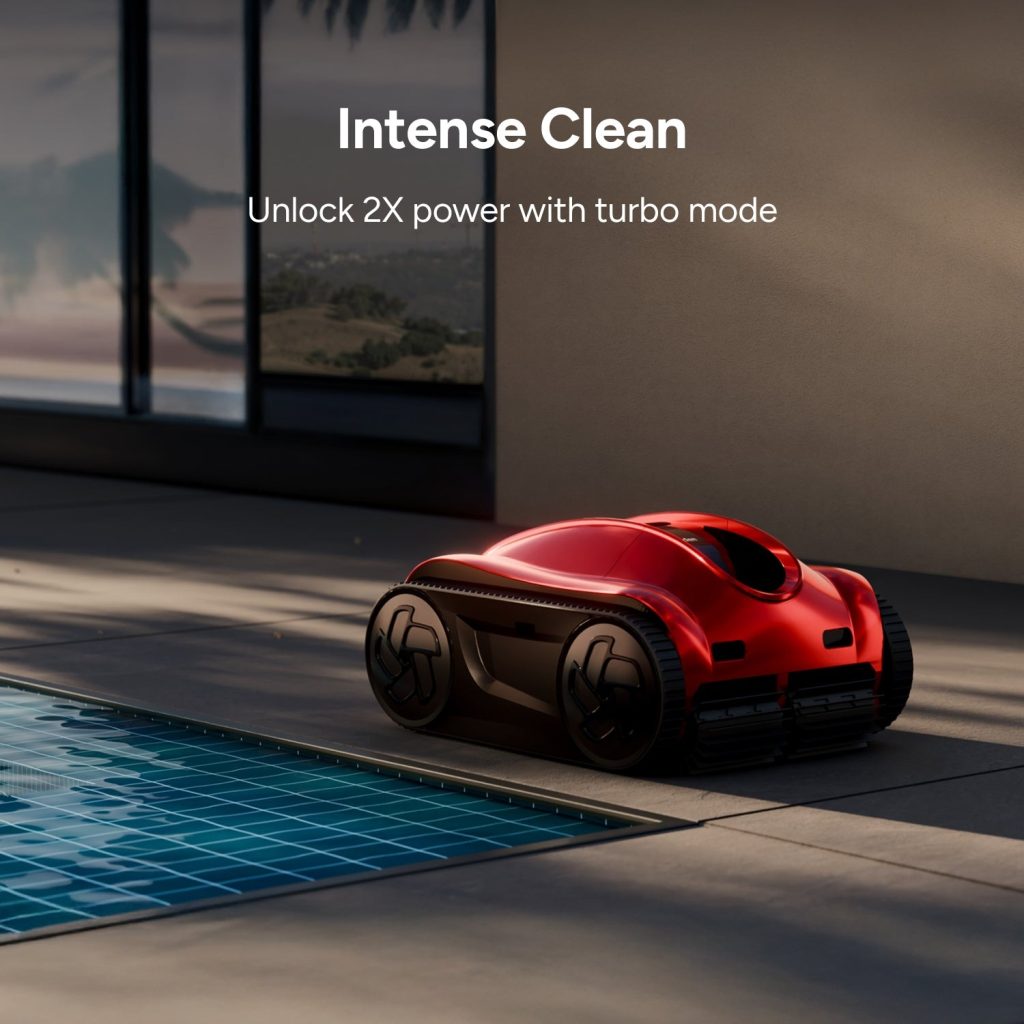
The real transformation in pool cleaning technology arrived with standalone robotic units equipped with onboard motors, filtration systems, and increasingly sophisticated navigation algorithms. Rather than wandering aimlessly, modern devices map pool surfaces, calculate efficient cleaning paths, and adapt to different floor textures and wall angles. Today’s innovation cycle has accelerated further, embedding connectivity, machine learning, and sensor arrays into compact units that think before they move. For tech-savvy homeowners, this shift represents more than incremental improvement—it’s a fundamental rethinking of what an automatic pool cleaner can accomplish, prioritizing efficiency, thoroughness, and genuine hands-free convenience over brute-force repetition.
Core Components of a Smart Automatic Pool Cleaner
What elevates an automatic pool cleaner from a simple robotic device to a genuinely smart system? The answer lies in a combination of hardware and software working in concert. At the foundation, advanced sensor arrays—including gyroscopes, accelerometers, and ultrasonic proximity detectors—allow the unit to perceive its environment in real time. These sensors feed data to onboard processors running navigation algorithms that map pool geometry, identify obstacles, and calculate optimal cleaning routes rather than relying on random movement patterns.
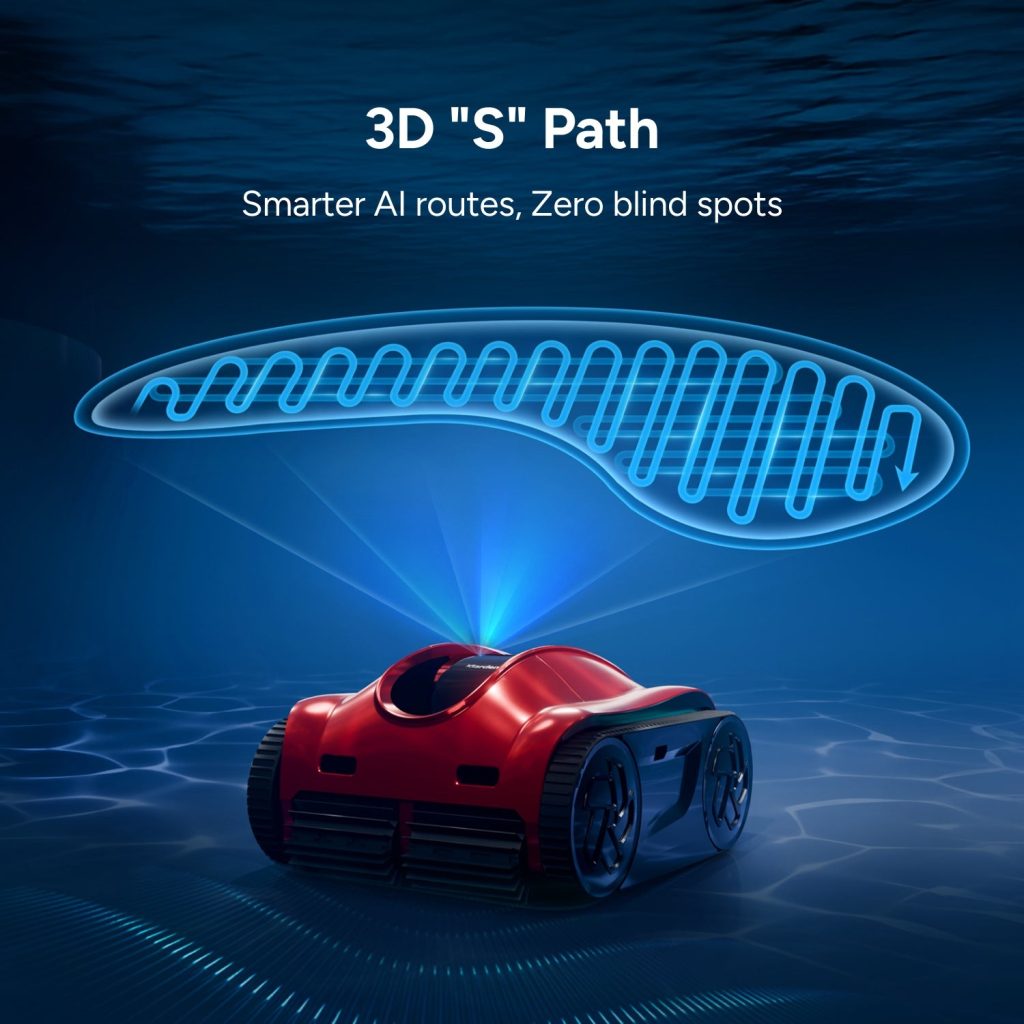
Connectivity modules represent another critical layer. Wi-Fi and Bluetooth chips transform the cleaner from an isolated machine into a networked device capable of communicating with smartphones, home automation platforms, and cloud services. This connectivity enables features like remote monitoring, over-the-air firmware updates, and integration with broader smart home ecosystems. Beyond communication, intelligent motor controllers adjust suction power and brush speed based on surface type—ramping up on textured plaster while easing off on delicate vinyl liners. The combination of environmental awareness, adaptive performance, and digital connectivity creates a system that doesn’t just clean but learns, communicates, and optimizes. Reliability underpins all of this; smart components must withstand chlorinated water, temperature fluctuations, and continuous submersion while delivering consistent results season after season.
Prioritizing User-Friendly Features for Seamless Operation
True intelligence means nothing if the device frustrates its owner during setup or daily use. The best smart pool cleaners emphasize user-friendly design through tool-free assembly, quick-release filter cartridges, and lightweight bodies that lift easily from the water. One-touch activation buttons on the unit itself ensure operation remains simple even without a phone nearby. Self-diagnostic systems alert owners to tangled cables, full filter baskets, or impeller blockages before small issues become costly repairs, effectively reducing the maintenance burden to occasional rinses and seasonal inspections.
Leveraging Scheduled Cleaning for Ultimate Convenience
Scheduled cleaning transforms pool maintenance from a reactive chore into an automated routine. Homeowners program specific days and times—perhaps early mornings before the family swims—and the cleaner handles the rest independently. This consistency prevents debris accumulation, reduces chemical imbalances caused by organic matter, and keeps filtration systems running efficiently. By maintaining a regular cleaning cadence without any manual intervention, scheduled cleaning ensures the pool stays swim-ready around the clock, embodying the set-it-and-forget-it convenience that defines smart pool management.
Unlocking Smart Control: The Role of App-Integrated Pool Cleaners
The smartphone in your pocket has become the command center for everything from home thermostats to security cameras, and pool maintenance is no exception. App-controlled pool cleaners represent perhaps the most visible distinction between a basic robotic unit and a truly smart system. When a pool cleaner connects to a dedicated mobile application via Wi-Fi or Bluetooth, it transforms from an autonomous machine operating in isolation into a fully transparent, controllable device that keeps homeowners informed and in charge regardless of where they are.
Wi-Fi connectivity generally offers the broader advantage here, enabling control from anywhere with an internet connection—whether you’re at the office, traveling, or simply inside the house. Bluetooth connections, while more limited in range, provide quick pairing and responsive local control without requiring network infrastructure. Many premium models now support both, defaulting to Bluetooth for instant poolside adjustments while maintaining Wi-Fi links for remote access and cloud-based features. The quality of the companion app matters enormously. A well-designed interface presents pool maps, cleaning progress, and device status at a glance without burying critical functions behind confusing menus. The best apps feel intuitive from the first launch, guiding new owners through initial setup, pool mapping, and preference configuration in minutes rather than hours.
Integration with broader smart home ecosystems—Amazon Alexa, Google Home, or Apple HomeKit—adds another dimension of convenience. Voice commands can initiate cleaning cycles, and automation routines can trigger the pool cleaner based on other events, such as starting a cleaning session whenever the sprinkler system finishes running. Platforms like iGarden that unify outdoor smart devices make this kind of cross-device coordination increasingly seamless, reflecting the expectations of tech-savvy homeowners who want their devices to communicate with one another. This ecosystem connectivity elevates the pool cleaner from a standalone gadget to a coordinated participant in whole-home automation.
Exploring Advanced Smart Features for Enhanced Convenience
Modern pool cleaner apps go far beyond simple remote start and stop buttons. Real-time mapping displays show exactly where the cleaner has traveled and which areas remain untouched, letting owners verify thorough coverage without peering into the water. Push notifications alert homeowners when a cycle completes, when the filter basket reaches capacity, or when the unit encounters an obstacle it cannot navigate around. Cleaning history logs track performance over weeks and months, revealing patterns—like increased debris after storms—that help owners adjust schedules proactively. Some apps allow users to designate specific zones for targeted cleaning, directing the unit to problem areas near return jets or under diving boards without running a full cycle. Firmware updates delivered through the app ensure the cleaner’s navigation algorithms and motor controls improve over time, effectively making the device smarter the longer you own it.
Understanding the Tangible Benefits of App Control
The practical payoff of app integration extends well beyond novelty. Time savings accumulate quickly when owners can verify cleaning status remotely instead of walking outside to check progress, and energy efficiency improves when the app enables shorter, targeted cycles rather than running full-length programs unnecessarily. Precise control over scheduling and intensity means the cleaner operates only when needed, reducing electricity consumption and extending component lifespan. Cleaning accuracy benefits too—zone-specific commands and real-time coverage maps eliminate the guesswork that plagued earlier robotic models, ensuring no corner goes neglected. For homeowners juggling busy schedules, app control converts pool maintenance from a task requiring physical presence and attention into a background process managed with a few taps, delivering consistently clean water without disrupting daily routines.
Practical Guide: Choosing and Implementing Your Smart Pool Cleaner Vacuum
Selecting the right smart pool cleaner vacuum requires matching the device’s capabilities to your specific situation. Start by assessing your pool’s dimensions, shape, and surface material. Larger pools with irregular shapes demand cleaners equipped with advanced mapping algorithms and longer battery life, while smaller rectangular pools may perform well with mid-range models running simpler navigation patterns. Surface type matters significantly—gunite and pebble finishes require aggressive brushing systems, whereas fiberglass and vinyl call for gentler contact to prevent scratching. Consider your pool’s primary debris challenges too: homes surrounded by trees need strong leaf-handling capacity, while desert environments may prioritize fine dust filtration.
When evaluating specific models, focus on a practical checklist of features rather than marketing language. Confirm the automation level by asking whether the unit maps your pool or navigates randomly—true smart cleaners should complete full coverage in a predictable timeframe without repeated passes over the same areas. Verify app compatibility with your smartphone’s operating system and check whether the app receives regular updates from the manufacturer. Read user reviews specifically mentioning long-term reliability, since smart components face harsh chemical and thermal conditions that stress electronics over multiple seasons. Examine the filtration system’s capacity and ease of cleaning, and confirm whether the unit handles walls and the waterline in addition to the floor. Battery runtime should comfortably exceed the time needed to clean your entire pool in a single cycle.
Implementation begins with a proper initial setup. Fully charge the unit before its first run, then allow the cleaner to complete an uninterrupted mapping cycle so its navigation system learns your pool’s geometry. Download the companion app immediately and connect via Wi-Fi for full functionality—position your router or add a range extender if the pool area receives weak signal. During the first week, observe cleaning patterns and adjust scheduled cleaning times based on when debris typically accumulates, usually overnight or after windy afternoons. If you use a smart home platform, integrate the cleaner early so you can build automation routines around it. For troubleshooting, most connectivity issues resolve by power-cycling the unit and re-pairing through the app, while navigation problems often stem from tangled cables or obstructions near ladders and steps that can be addressed by securing loose items before each cycle. Periodically check for firmware updates, as manufacturers frequently refine algorithms that improve coverage efficiency and obstacle handling based on aggregated user data.
Embracing the Future of Intelligent Pool Maintenance
The journey from manual nets and suction-side crawlers to today’s intelligent pool cleaning systems reflects a broader transformation in how we manage our homes. A truly smart pool cleaner vacuum distinguishes itself through the convergence of several critical elements: advanced sensors and navigation algorithms that map and adapt to your pool’s unique geometry, connectivity modules that link the device to your smartphone and broader smart home ecosystem, and scheduled cleaning capabilities that maintain water clarity without requiring a moment of your attention. App integration has emerged as the defining feature separating smart devices from merely automated ones, offering real-time visibility, remote control, and continuous improvement through firmware updates.
For tech-savvy homeowners, the practical benefits are clear—significant time savings, reduced energy consumption, and consistently cleaner water achieved through intelligent automation rather than repetitive brute force. As machine learning algorithms grow more sophisticated and sensor technology continues to miniaturize, the next generation of smart pool cleaners will likely anticipate maintenance needs before problems arise, adjust to seasonal changes autonomously, and integrate even more deeply with whole-home automation platforms. The pool that essentially maintains itself is no longer a futuristic concept—it’s an achievable reality for anyone willing to embrace these rapidly maturing technologies.