
Fuel Nozzle: A Complete Guide to Types, Working, Applications, and Maintenance
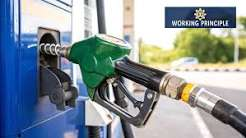
A fuel nozzle is a critical component in fuel dispensing systems, engines, and industrial equipment. Whether found at a gas station, in an aircraft engine, or within industrial combustion systems, the fuel nozzle controls the flow and distribution of fuel. Proper fuel delivery ensures efficient combustion, reduced emissions, improved performance, and enhanced safety.
As fuel systems become more advanced, the design and functionality of fuel nozzles continue to evolve. Understanding how fuel nozzles work and how to maintain them can help improve equipment reliability and operational efficiency.
This article explores the working principle, types, applications, benefits, common issues, and maintenance practices related to fuel nozzles.
What Is a Fuel Nozzle?
A fuel nozzle is a device designed to regulate and direct the flow of fuel from a fuel supply system to an engine, burner, or storage tank. Its primary purpose is to deliver fuel at the correct pressure, flow rate, and spray pattern for optimal performance.
In simple terms, the fuel nozzle acts as the final control point before fuel enters the combustion process.
Fuel nozzles are commonly used in:
- Gas stations
- Automotive fuel systems
- Aircraft engines
- Diesel generators
- Industrial burners
- Marine engines
- Heating systems
How Does a Fuel Nozzle Work?
The operation of a fuel nozzle depends on its application, but the basic principle remains the same:
- Fuel is supplied under pressure from a pump or fuel system.
- The nozzle regulates the flow through an orifice or valve.
- The fuel exits the nozzle in a controlled stream or atomized spray.
- The spray pattern mixes fuel with air for efficient combustion.
In fuel-dispensing nozzles used at gas stations, automatic shut-off mechanisms prevent overfilling by detecting when the tank reaches capacity.
In combustion systems, atomization is especially important because smaller fuel droplets burn more completely, improving efficiency and reducing pollutants.
Types of Fuel Nozzles
1. Gas Station Fuel Nozzles
These are the familiar hand-operated nozzles used for dispensing gasoline or diesel into vehicle fuel tanks.
Features:
- Automatic shut-off
- Flow control lever
- Vapor recovery systems
- Different flow rates for gasoline and diesel
2. Automotive Fuel Injection Nozzles
Also known as fuel injectors, these nozzles deliver fuel directly into the engine’s intake manifold or combustion chamber.
Advantages:
- Precise fuel metering
- Improved fuel economy
- Lower emissions
- Better engine performance
3. Diesel Fuel Nozzles
Diesel engines require high-pressure nozzles that atomize fuel into fine droplets for compression ignition.
Common in:
- Trucks
- Buses
- Generators
- Construction equipment
4. Aircraft Fuel Nozzles
Jet engines use specialized fuel nozzles to ensure uniform fuel distribution and stable combustion under varying flight conditions.
5. Industrial Burner Nozzles
Used in furnaces, boilers, and heating systems, these nozzles create specific spray patterns to optimize combustion efficiency.
Components of a Fuel Nozzle
Although designs vary, most fuel nozzles contain:
| Component | Function |
| Nozzle body | Main housing |
| Valve assembly | Controls fuel flow |
| Orifice | Determines flow rate |
| Filter screen | Prevents contaminants |
| Spring mechanism | Assists valve operation |
| Shut-off sensor | Stops flow when necessary |
| Seal or gasket | Prevents leaks |
Benefits of a High-Quality Fuel Nozzle
Improved Fuel Efficiency
Accurate fuel delivery minimizes waste and ensures optimal combustion.
Reduced Emissions
Proper atomization results in cleaner burning and lower exhaust emissions.
Enhanced Performance
Engines receive the correct fuel-air mixture, improving power and responsiveness.
Safety
Automatic shut-off features help prevent spills and overfilling.
Longer Equipment Life
Consistent fuel delivery reduces stress on engines and combustion systems.
Applications of Fuel Nozzles
Transportation
Automotive Industry
Fuel nozzles are essential in modern fuel injection systems for cars, motorcycles, and commercial vehicles.
Aviation
Aviation
Aircraft fuel nozzles must maintain reliable performance under extreme temperatures and pressure variations.
Marine
Marine Engines
Ships and boats use fuel nozzles designed for heavy-duty diesel operation.
Power
Power Generation
Diesel generators rely on precise fuel nozzle operation for stable electricity production.
Industrial
Industrial Heating
Boilers and furnaces use burner nozzles to achieve efficient heat generation.
Common Fuel Nozzle Problems
1. Clogging
Dirt, rust, or fuel contaminants can block the nozzle orifice.
Symptoms:
- Reduced fuel flow
- Poor engine performance
- Irregular spray pattern
2. Leakage
Damaged seals or worn components may cause fuel leaks.
Risks:
- Fire hazard
- Fuel wastage
- Environmental contamination
3. Poor Atomization
Worn nozzles may produce large fuel droplets instead of a fine mist.
Effects:
- Higher fuel consumption
- Increased smoke
- Reduced power output
4. Automatic Shut-Off Failure
In dispensing nozzles, a faulty shut-off mechanism can lead to tank overfilling.
Fuel Nozzle Maintenance Tips
Regular Cleaning
Use approved cleaning solutions or ultrasonic cleaning equipment for fuel injectors and industrial nozzles.
Replace Filters
Clean fuel filters prevent contaminants from reaching the nozzle.
Inspect for Wear
Check orifices, seals, and valve components periodically.
Use Quality Fuel
Low-quality fuel often contains impurities that accelerate nozzle wear.
Follow Manufacturer Service Intervals
Scheduled maintenance helps prevent unexpected failures.
How to Choose the Right Fuel Nozzle
When selecting a fuel nozzle, consider:
| Factor | Importance |
| Fuel type | Gasoline, diesel, jet fuel, etc. |
| Flow rate | Required fuel volume |
| Operating pressure | System compatibility |
| Spray pattern | Combustion efficiency |
| Material | Corrosion resistance |
| Safety features | Leak prevention and shut-off |
| Application | Automotive, aviation, industrial, or dispensing |
Emerging Trends in Fuel Nozzle Technology
Modern fuel nozzle designs incorporate advanced technologies such as:
- Electronic flow control
- Smart sensors
- Low-emission spray patterns
- High-pressure direct injection systems
- Vapor recovery systems
These innovations improve efficiency, reduce environmental impact, and support increasingly strict emission regulations.
Safety Considerations
Because fuel is highly flammable, proper nozzle handling is essential.
Important safety practices:
- Inspect nozzles for leaks before use.
- Never use damaged dispensing equipment.
- Avoid sparks or open flames near fuel systems.
- Store equipment according to safety regulations.
- Ensure proper grounding during fuel transfer operations.
Conclusion
A fuel nozzle is far more than a simple dispensing device. It is a precision-engineered component that directly affects fuel efficiency, combustion quality, equipment performance, and operational safety. From automotive fuel injectors and aircraft engines to industrial burners and gas station pumps, fuel nozzles play a critical role in ensuring accurate and reliable fuel delivery.
Choosing the correct nozzle, using quality fuel, and following proper maintenance practices can significantly improve system efficiency while reducing operating costs and emissions. As fuel technologies continue to evolve, advanced fuel nozzle designs will remain essential for meeting the growing demands of performance, safety, and environmental responsibility.
Whether you are operating a vehicle, managing industrial equipment, or maintaining a fuel dispensing system, understanding the function and care of a fuel nozzle is key to achieving dependable and efficient operation.